
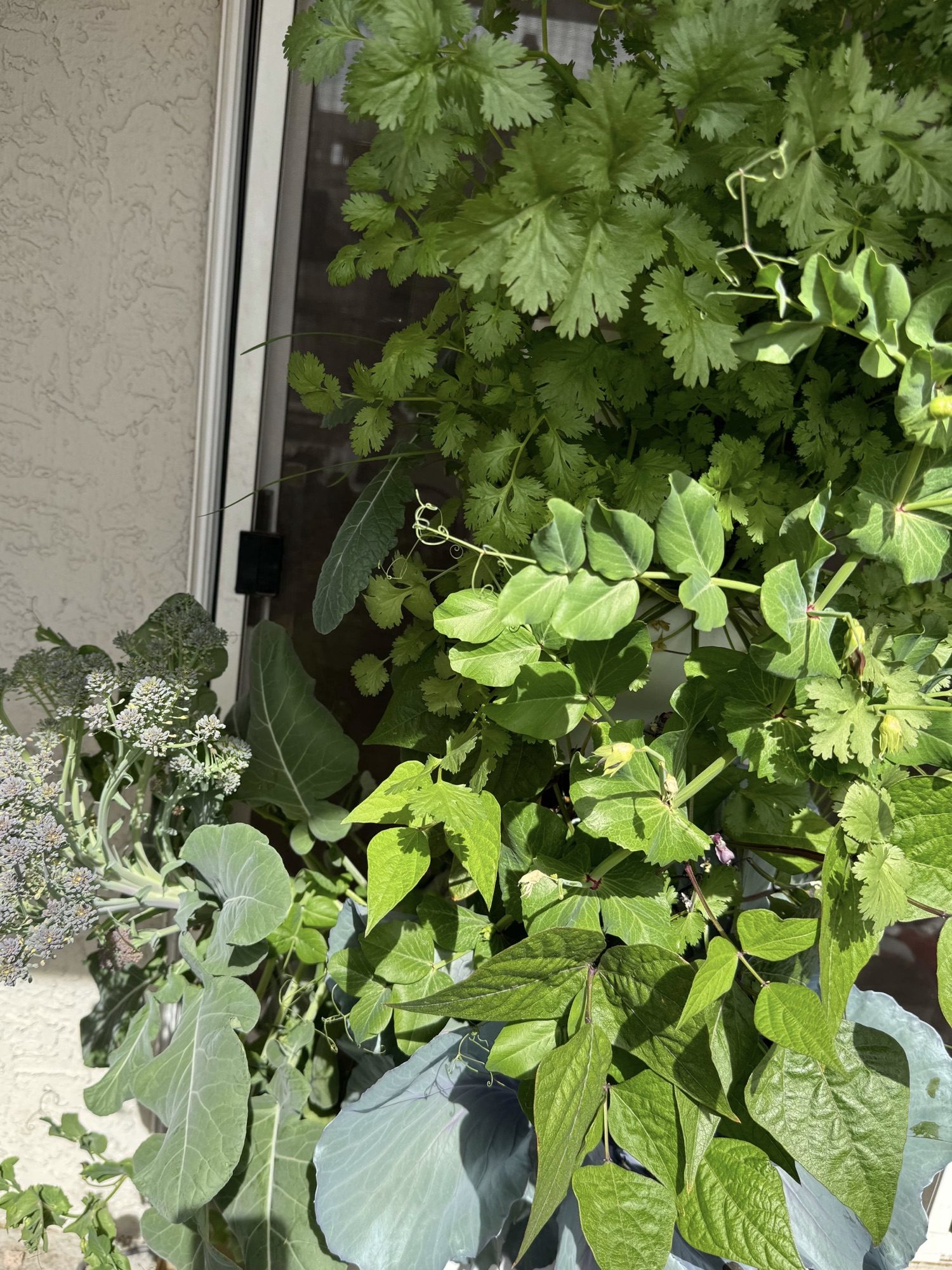
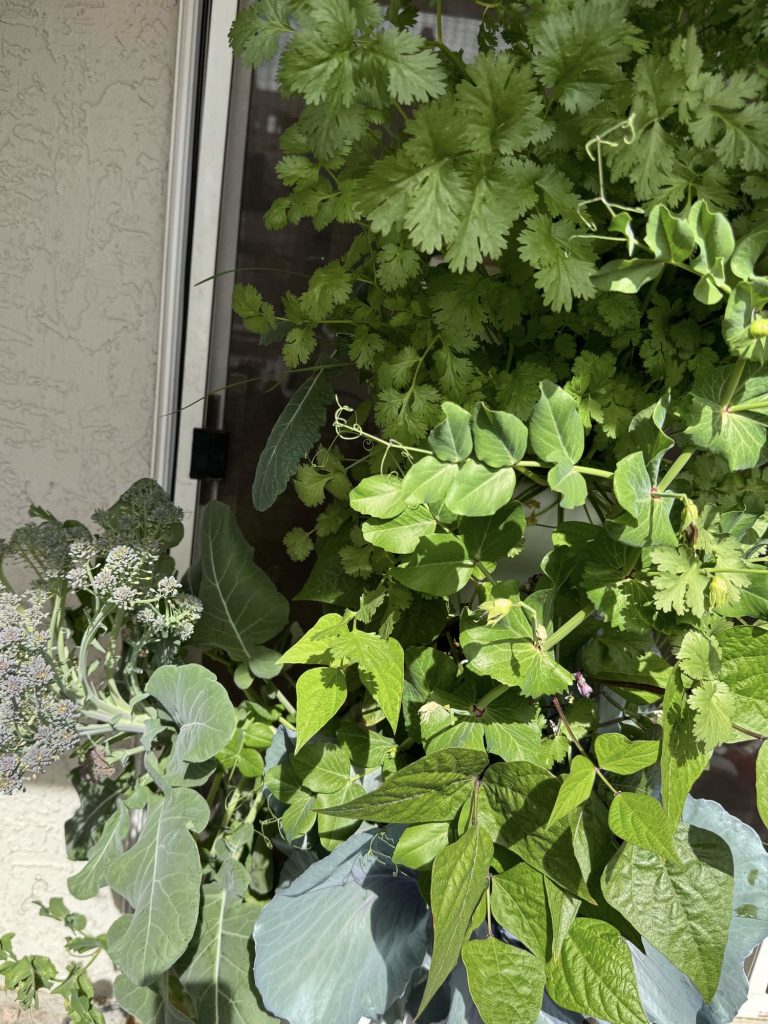
Cilantro (Coriandrum sativum) is one of those versatile herbs that I always want fresh.
Whether it’s for tacos, guacamole, or a quick garnish, having fresh cilantro on hand makes a huge difference.
But if you’ve ever tried growing cilantro plants in soil, you know the struggle—it bolts too fast, struggles with bacterial leaf spots, or just doesn’t grow the way you want it to.
That’s exactly why I switched to hydroponic cilantro, and honestly, I haven’t looked back.
I grow mine outdoors in a Lettuce Grow Garden, which takes all the guesswork out of hydroponics.
The cilantro seeds and nutrients come with it, the right hydroponic system is already set up, and I don’t have to worry about the pH range or electrical conductivity (EC range)—it’s all built into the system.
And when it grows? It grows abundantly, way beyond what I expected.
If you’re considering hydroponic growing, especially outdoors, here’s what I’ve learned, how to set up your own controlled environment, and some great ways to grow this perfect herb successfully.
Why I Switched to Hydroponic Cilantro
I originally thought growing cilantro would be simple—just grab some cilantro seeds, plant them, and water.
But after some research, I realized there’s way more to it—pH levels, nutritional value, cooler temperatures, and even how certain santo varieties and calypso cilantro have a genetic predisposition for better growth.
Then there’s the issue of cilantro bolts.
If it gets too hot, the plant flowers too soon, and the cilantro leaves turn bitter.
This happened every time I tried growing it in soil.
That’s when I discovered hydroponic cultivation.
With hydroponics, cilantro grows faster, lasts longer, and produces higher yields than store-bought cilantro.
That’s how I landed on the Lettuce Grow Garden—a vertical, outdoor-friendly hydroponic method that’s great for leafy greens, herb plants, and even some vegetables.
It works as a drip irrigation system that keeps my cilantro at the right pH level, ensures the right hydroponic system is in place, and provides a high germination rate for my seeds of cilantro.
How to Grow Hydroponic Cilantro Outdoors
Choosing the Right Hydroponic System
There are several hydroponic methods for growing cilantro, but not all work well outdoors. Here are the top options:
• Deep Water Culture (DWC): Keeps the root system of the plant in oxygenated water for healthy growth.
• Nutrient Film Technique (NFT): Uses a thin film of nutrient solution to provide nutrients without overwatering.
• Aeroponic System: Plants sit in net pots, and the roots get misted with nutrients instead of being submerged.
For me, the Lettuce Grow Garden is the best choice because it keeps my plants cool, prevents cilantro bolts, and provides consistent nutrients.
Setting Up the Perfect Conditions for Cilantro Growth
pH Levels & Electrical Conductivity:
Cilantro needs a pH range of 5.5–6.7 and an EC range of 1.2–1.8 for optimal plant growth.
If your levels are off, your cilantro leaves will show signs like yellowing or slow growth. (More on cilantro pH levels)
Light Source & Hours of Light:
Cilantro needs 12–14 hours of light per day for healthy growth.
Outdoors, natural sunlight works great, but if it’s not enough, you can supplement with fluorescent lights or a grow light.
Temperature & Humidity:
• Cilantro prefers cooler temperatures (50–75°F).
• High humidity can cause bacterial leaf spots, so good airflow is important.
Choosing the Best Cilantro Seeds for Hydroponics
Not all cilantro seeds are ideal for hydroponic growing. The best ones are:
• Santo varieties – Slow to bolt and ideal for hydroponics.
• Calypso cilantro – Great for faster growth and high germination rates.
Soak the seeds of cilantro for 12–24 hours before planting to speed up the germination process. Rockwool cubes are a suitable growing medium because they retain moisture well. (Step-by-step guide)
How to Harvest Cilantro for the Best Flavor
Cilantro is ready for its first harvest in about 50–55 days.
• Trim the outer leaves first to encourage more new leaves to grow.
• Use sharp scissors to cut only what you need.
• Store cilantro in a plastic bag with a damp paper towel for a longer shelf life.
For longer storage, you can also place cut stems in a glass of water in the fridge.
Cilantro Through History: Ancient Israel, King Tut, and North Africa
Cilantro has been around forever—literally.
It was used in Ancient Israel, found in King Tut’s tomb, and has been a staple in Southern Europe and North Africa for centuries.
It’s part of the carrot family, and both its fresh leaves and dried seeds (coriander) have been used in medicine and cooking for thousands of years.
Final Thoughts: Is Hydroponic Cilantro Worth It?
Growing hydroponic cilantro outdoors has been one of the best gardening decisions I’ve made.
My Lettuce Grow Garden makes it effortless—I never have to stress about the right pH level, suitable growing mediums, or common problems like cilantro bolts and spider mites.
If you’re looking for a great way to grow cilantro, I highly recommend hydroponic cultivation.
It’s easy, efficient, and gives you fresh herbs whenever you need them.
For even more details on hydroponic growing, check out these great resources:
• How to Grow Hydroponic Cilantro – A Complete Guide (Eden Green)
• Hydroponic Cilantro – Tips & Tricks for Success (Hydro How To)
• Zesty Hydroponic Cilantro – Step by Step (NoSoilSolutions)
If you’ve ever grown hydroponic cilantro, I’d love to hear about your experience. Drop a comment and let me know what worked for you!
